Commercial Briefing · PDF
Why the Unity Battery has commercial potential.
The product, customer markets, service model, development programme and DEFL’s proposed SAFE investment, including the assumptions and risks behind the company’s plans.
Why DE USA
The investment case combines factory manufacture, established fuel materials and long-term services with a product designed to supply electricity, heating and cooling where customers need them.
A compact nuclear microreactor being developed for factory manufacture and on-site power, with a design rating of 1 MWe per unit. Despite its name, Unity generates energy rather than storing electricity.
Design description: NRC project overview.
The investment rationale / 6 minutes 40 seconds
The DEFL briefing connects Unity’s design and service model with customer needs and the proposed investment pathway.
The approved recording is unchanged, including its ten-second silent closing notices. English captions are available.
Read the full transcript and source notesFactory manufacture, established fuel, managed replacement, safety design, on-site power, and useful heat for heating and cooling. The technical profile below explains the design intentions and evidence for each.
Eligible investors would acquire shares in DEFL. DEFL would purchase the SAFE agreement, rather than acquire DE USA shares at that point. Read the current IM for the proposed structure, terms and risks.
Technical profile
The opportunity is the combination: a repeatable product, familiar fuel and a service model designed around the customer’s site.
Repeat the product. Simplify delivery.
Unity is designed around standard modules, established materials and manufacturing processes, with the aim of making production repeatable rather than treating every installation as a bespoke large nuclear project (DE technology).
The current IM describes the core and shielding in a 20-foot container; power conversion, cooling and site connections are additional parts of the installation. Factory scale-up remains part of the development programme.
Build on an existing commercial fuel industry.
Unity uses uranium dioxide enriched to 4.95% U-235, connecting its fuel materials to established commercial light-water-reactor supply chains rather than relying on higher-enrichment HALEU fuel (DOE fuel description).
The intended advantage is simpler procurement and lower cost.
A replacement-and-return service.
The proposed model described in the IM puts fuel supply and periodic replacement with DE USA: a replacement unit arrives and the used unit returns to a central facility. It is intended to avoid on-site refuelling and separate stores of fresh or spent fuel at the customer’s premises.
DE’s public description specifies five-year refuelling cycles and centralised off-site waste handling (DE technology).
The commercial plan includes centralised refuelling and recycling.
Different jobs for water and helium.
Water moderates the nuclear reaction while a physically separate helium circuit carries heat away in the full design (DOE design description).
Helium is chemically inert, so the coolant itself does not burn or chemically generate hydrogen (INL technical reference).
NRC describes an actively cooled helium loop during operation (NRC overview).
On-site generation, without a national-grid dependency.
Unity is designed for remote, distributed and behind-the-meter applications, with modules combined to suit the site (NRC overview).
An off-grid configuration could avoid a new long-distance grid connection. It still needs local cables, switchboards, controls, cooling and other site infrastructure, together with the applicable approvals.
Put more of the reactor’s heat to work.
DE describes useful process heat and site cooling as options alongside electricity generation (DE technology).
A heat exchanger can serve a separate customer circuit, while an absorption chiller uses heat to produce chilled water for suitable loads (DOE cooling explainer).
The IM and heat explainer describe a company target of about 1 MWe plus 1.5 MW of recoverable heat. Cooling uses part of that heat and needs additional equipment; output, temperatures and water use depend on the site configuration.
Why this matters to DEFL
The proposed investment rationale combines repeatable equipment sales with ongoing fuel and operating services, while useful heat and cooling could strengthen the customer proposition. Investors would acquire shares in DEFL; DEFL would purchase a SAFE in DE USA, not DE USA shares at that point.
Read the current IMSupporting papers
Read the commercial rationale and a plain-English explanation of Unity’s potential to supply useful heat and cooling. Read both supporting papers alongside the current Information Memorandum.
Commercial Briefing · PDF
The product, customer markets, service model, development programme and DEFL’s proposed SAFE investment, including the assumptions and risks behind the company’s plans.
Heating and Cooling Explainer · PDF
Diagrams explain where the heat goes, how an absorption chiller makes cooling, and how suitable sites could use electricity, heat and cooling together.
Milestones
October 2025 onward / ongoing
NRC records pre-application engagement for Unity, including a construction-permit-application readiness-assessment request. (NRC record).
27 April 2026 / announced
DE announced its selection for the Department of Energy programme supporting demonstration through the National Reactor Innovation Center. (company announcement).
22 May 2026 / announced
DE announced DOE approval of its Preliminary Documented Safety Analysis for the criticality test, a step in the demonstration authorisation process rather than a commercial operating licence (company announcement).
17 June 2026 / announced
DE announced approval of its Documented Safety Analysis and receipt of the full fuel core, enabling final preparations for the test campaign. The announcement reports approval earlier in June (company announcement, updated 18 June).
30 June 2026 / completed
Unity reached a self-sustaining chain reaction in its zero-power test; the company announced the milestone on 1 July and subsequently confirmed the 30 June event date (1 July announcement), (7 October account).
The DOE test scope excluded sustained power operation, electricity generation and the full power-conversion system (DOE test description).
6 July 2026 / case study published
LR published a case study of its risk-based technology-qualification work on Unity, undertaken in 2025, including hazard assessment and recommendations for further development. (Lloyd’s Register case study).
7 July 2026 / announced
GridMarket announced a partnership addressing data-centre and industrial customers, targeting 500 MW a year from 2030 to 2035 and more than 3 GW cumulatively. (GridMarket announcement).
6 August 2026 / announced; posted 10 August
DE announced that Solaris Energy Infrastructure had made an equity investment and intended to collaborate on commercialisation for defence, industrial and digital-infrastructure applications. (company announcement).
17 August 2026 / announced
DE announced a strategic investment and memorandum of understanding with Hornbeck Offshore covering maritime and offshore applications. (company announcement).
28 August 2026 / announced
DE announced selection for two future campaigns: a full-power demonstration at Idaho National Laboratory and a Launch Pad USA maritime demonstration with Hornbeck Offshore. Selection is not completion of either campaign (company announcement).
7 October 2026 / announced
DE announced selection for a full-power demonstration at INL’s DOME facility, with engineering, fuel, safety and operational preparations to precede the campaign (company announcement).
14 October 2026 / announced
DE selected Sargent & Lundy to support system design, safe-shutdown and radiological analyses, and the Preliminary Safety Analysis Report for its planned NRC construction permit application (company announcement).
The next stages
2027 and 2028 / demonstration targets
The IM records targets of 4 July 2027 and 4 July 2028 for further full-power demonstrations. The 7 October announcement identifies DOME for a planned 2027 campaign (latest company announcement).
2028–2029 / manufacturing targets
The IM describes a production facility built in phases from 2028, with first-of-a-kind output targeted for late 2028 to 2029 and subsequent scale-up. These are company targets, dependent on funding, licensing, manufacturing and demand. Read the IM, Part B.
Demonstrations, licensing and manufacturing scale-up are separate stages. Future dates are targets, not commitments; the IM contains the company’s longer-term manufacturing assumptions and the associated risks.
The developer · in its own words
The company’s film records the 2026 demonstration campaign leading to zero-power criticality at Idaho National Laboratory (company account and film). The film and photographs are reproduced with permission; the test hardware shown is not a complete commercial power installation.
From a Houston workshop, through the Utah State Capitol, to first criticality at Idaho National Laboratory on 30 June 2026. Film courtesy of Deployable Energy.
From the criticality campaign
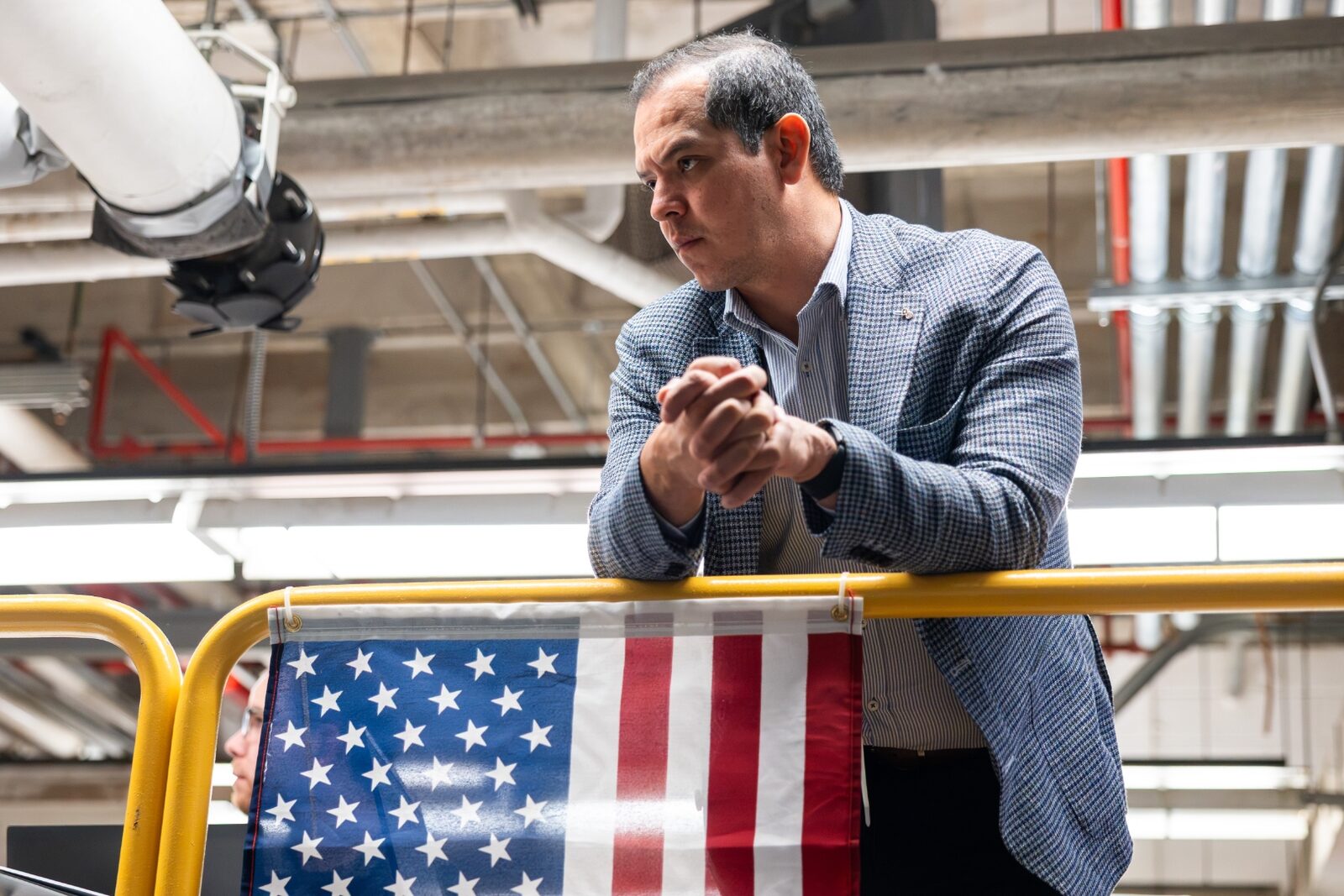
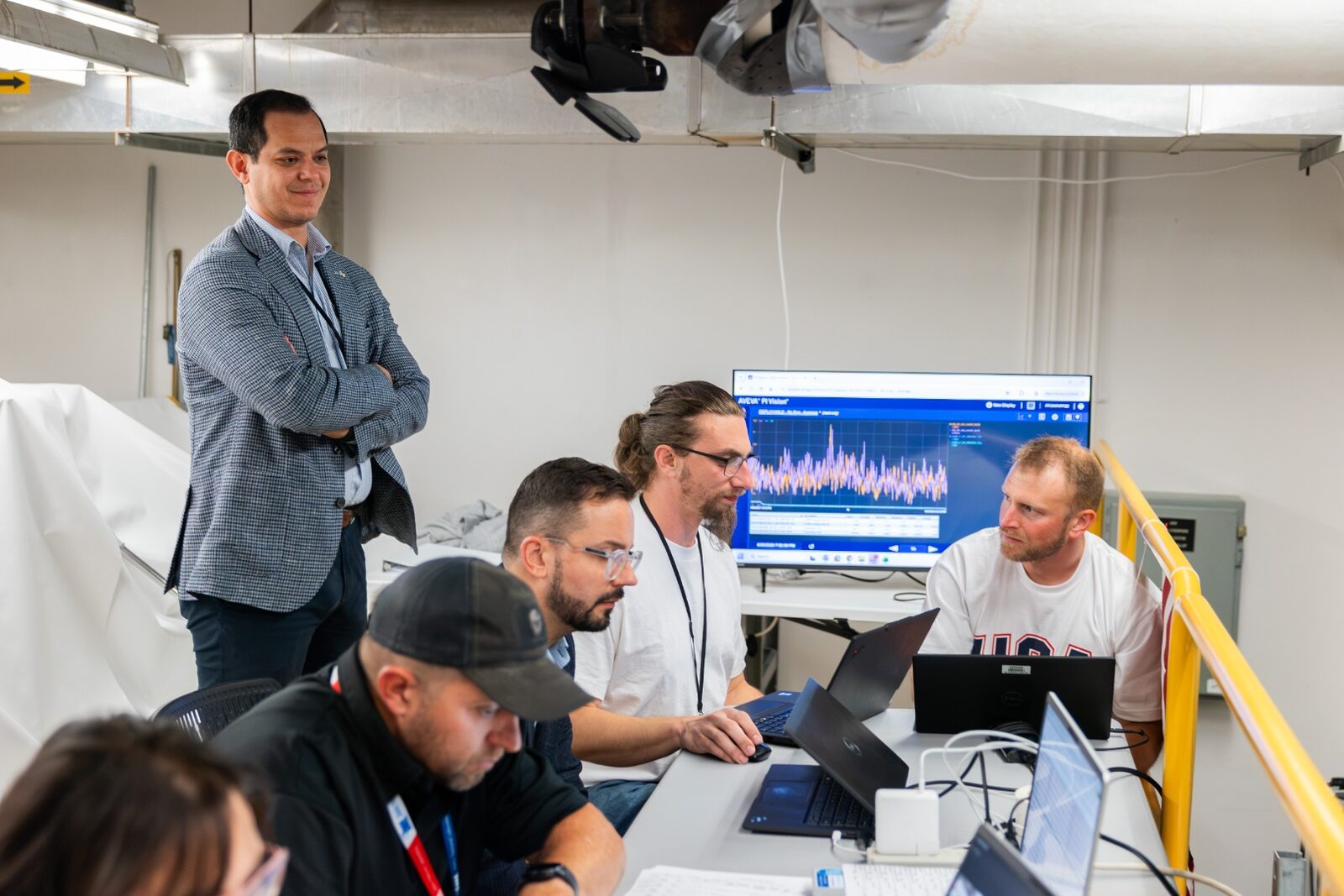
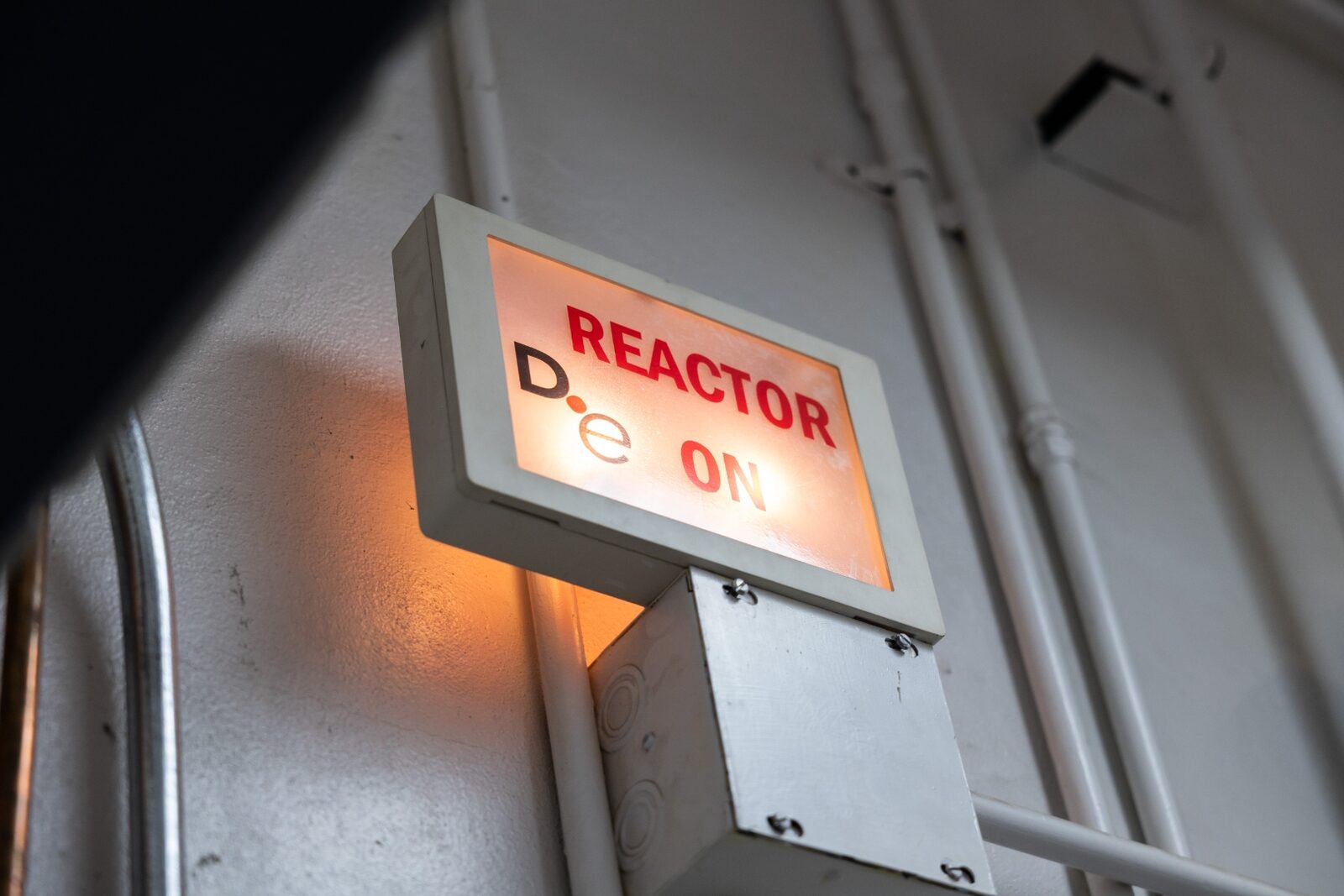
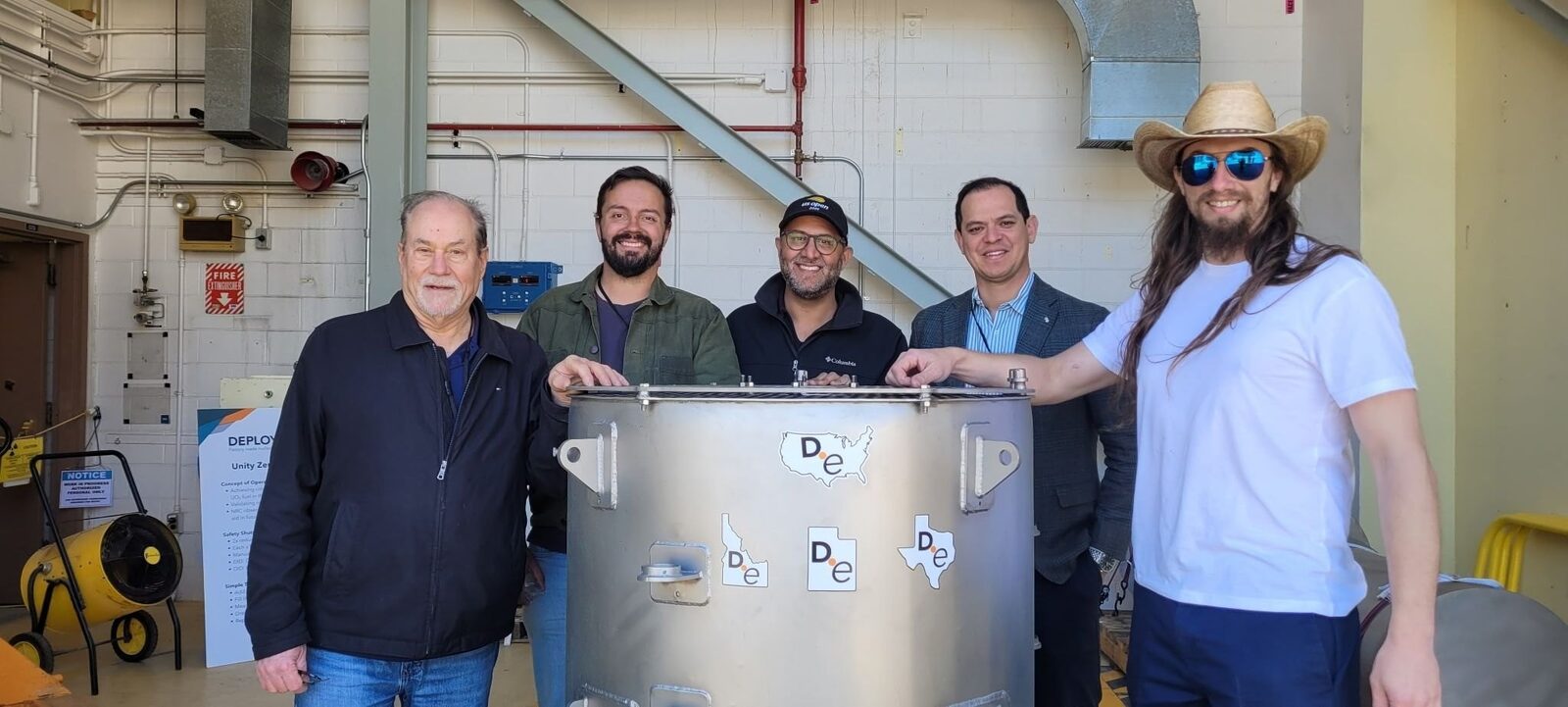
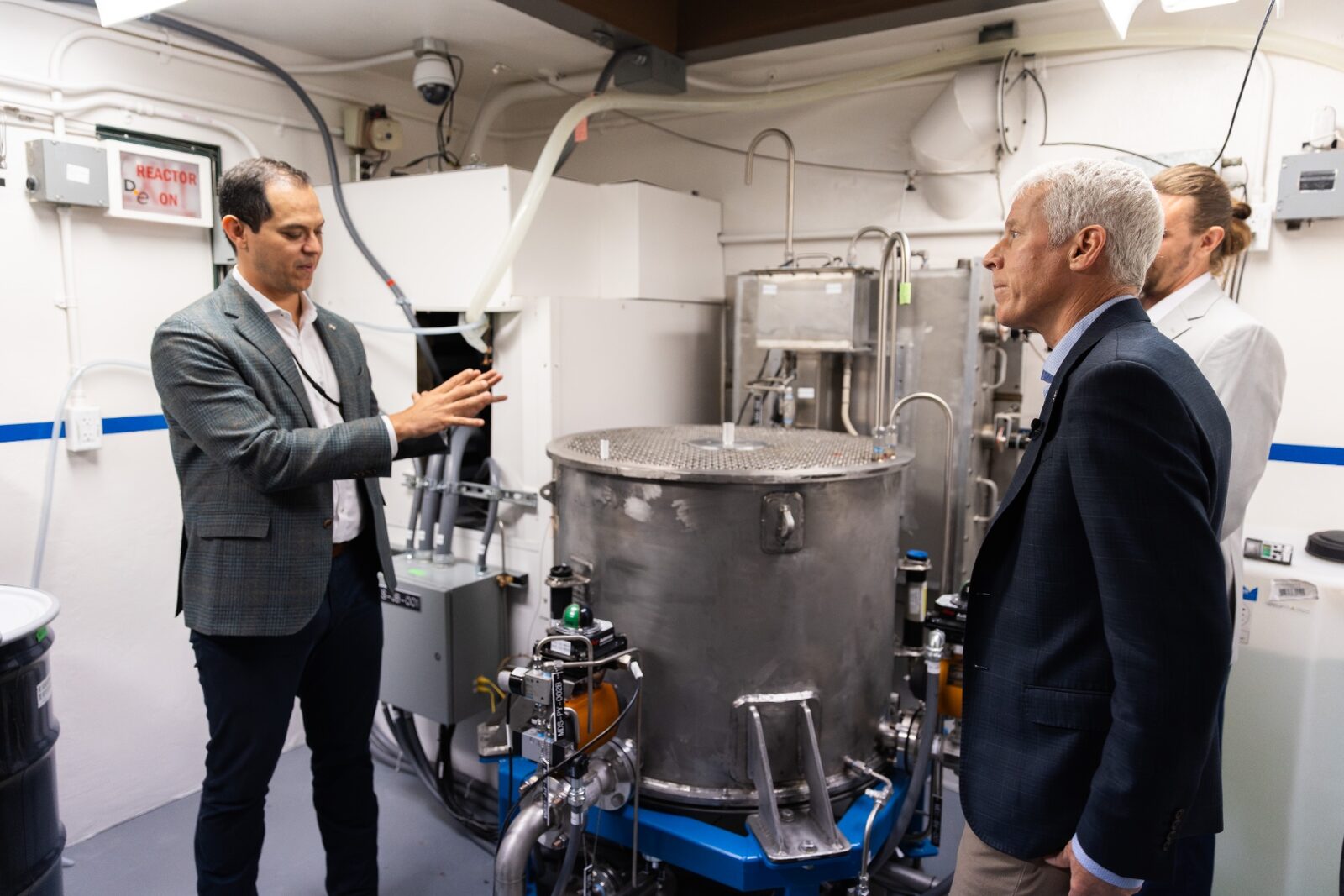
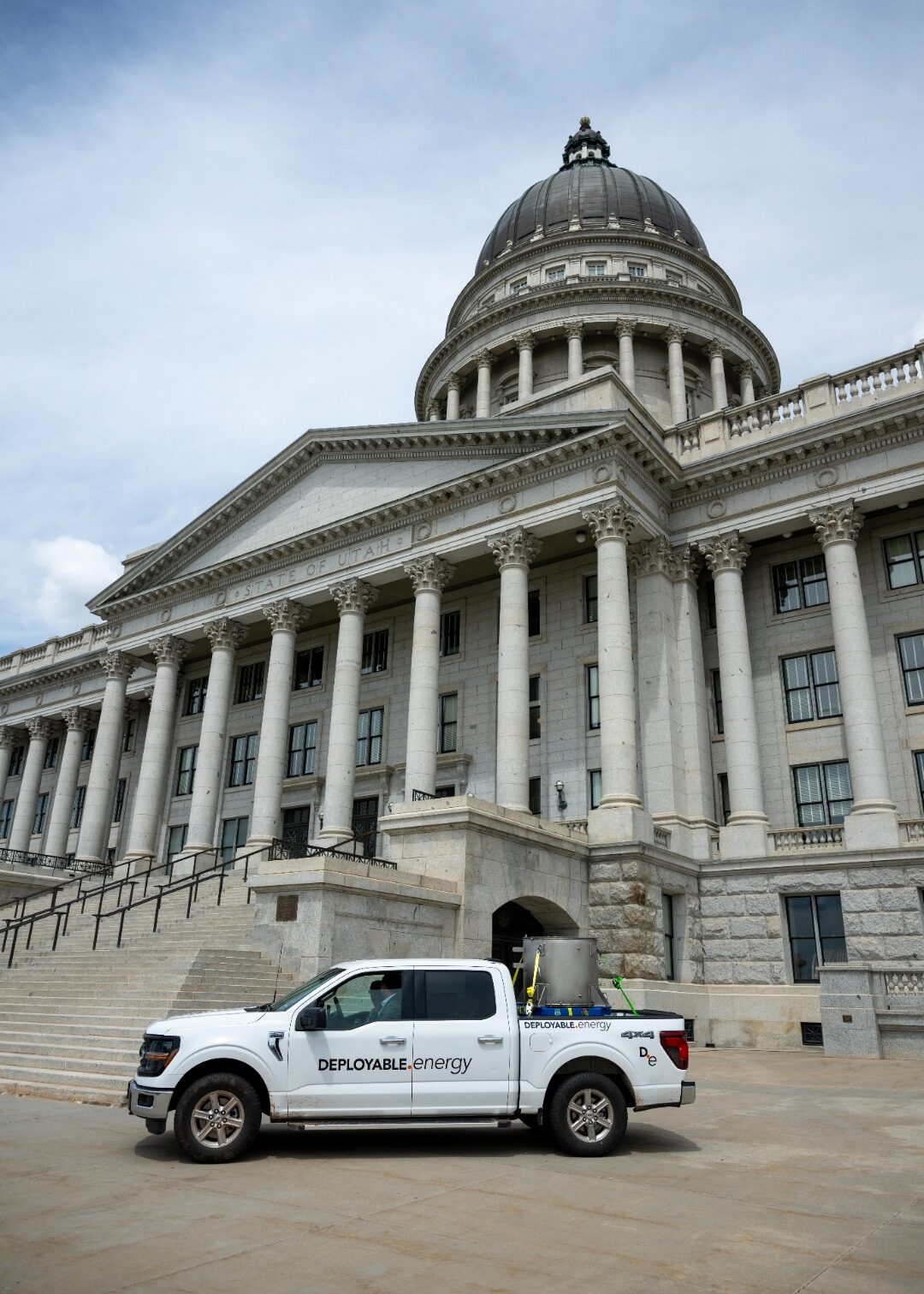
Images courtesy of Deployable Energy. Photographs of government officials and facilities record site visits and events as a matter of fact only. Neither the US Department of Energy, Idaho National Laboratory nor any other government body endorses the Fund or any offer of its securities.
The team behind Unity
The team, advisers and partners below bring nuclear engineering, manufacturing, regulatory, commercial and logistics experience. This fuller roster was supplied by Deployable Energy in September 2026; selected leadership names and titles have been aligned with its published leadership page.
Co-founder & Chief Executive Officer
Energy entrepreneur with engineering, shipyard and industrial delivery experience.
Co-founder & Chief Operations Officer
Reactor physicist combining nuclear research with hands-on engineering and start-up delivery.
Co-founder & Chief Commercialization Officer
Advanced nuclear commercialisation experience across government, industry and the National Reactor Innovation Center.
Co-founder & Nuclear Advisor
Introduced the co-founders and contributes nuclear technical advice.
Co-founder & Head of Modeling
Nuclear engineering and multiphysics simulation of advanced reactor designs.
Chief Financial Officer
Energy-sector investment and finance experience, including prior work with Bobby Gallagher.
Chief Strategy Officer
Manufacturing transformation and US naval nuclear experience.
VP Nuclear Engineering
Nuclear engineering experience at Oak Ridge National Laboratory and Radiant.
Head of Engineering
Engineering experience across nuclear construction, operation and decommissioning.
VP Project Development
Commercial nuclear project-development experience.
VP Supply Chain
Experience spanning naval nuclear, Vermont Yankee, GE, EnergySolutions and mPower.
Lead Regulatory Manager
Naval nuclear and Vogtle inspection, test, analysis and acceptance-criteria experience.
VP Business Development
Clean-energy development and major capital-project experience.
VP Communications
Strategic communication experience including the US DOE, Third Way and University of Michigan.
Managing Director, Australia and Asia Pacific
Former member of the Australian House of Representatives. Adviser to Deployable Energy's chief executive. Also a director of DEFL and DEFM.
Execution and Logistics Lead
Oilfield execution and equipment-logistics experience.
Head of Digital and Process
Former naval nuclear operator working on digital systems and process improvement.
AI Development Lead
Experience building AI workflows for engineering teams.
Executive Assistant
Executive and organisational support for the DE leadership team.
NOxFree Channel Partner
British naval nuclear submarine experience and a focus on private-yacht applications. Channel partner.
Roster and biographical descriptions are company-supplied. † David Gillespie is a director of both Deployable Energy Fund Limited and Deployable Energy Funds Management Pty Ltd and is a related party of the Fund; see About DEFL, the IM and Disclaimers. * Individual affiliations with ANSTO or the Australian Nuclear Association do not imply either organisation endorses the Fund or its securities.
Commercial position
GridMarket announced a partnership on 7 July 2026 to advance a pilot and prospective customer deployments, with a target of 500 MW a year from 2030 to 2035, not installed capacity or recognised revenue (GridMarket announcement).
DE’s August 2026 announcement describes a commercialisation collaboration with Solaris, combining microreactor development with distributed-power infrastructure experience (company announcement; dated 6 August, posted 10 August).
The 17 August 2026 memorandum of understanding addresses vessel integration and maritime applications (company announcement).
LR’s 6 July 2026 case study describes hazard identification and technology qualification for a maritime concept, as the first step in continuing safety assessment (Lloyd’s Register case study).
DE separately reports an Approval in Principle with a maritime classification society (company statement).
The 19 February 2026 research agreement covers experimental validation, thermal-hydraulic testing, modelling and workforce development (Texas A&M announcement).
The 14 October 2026 engagement supports engineering and preparation of Unity-1’s construction permit application (company announcement).
Applications
These are potential applications. The company identifies remote, industrial, defence and emergency-response uses in its criticality announcement, and maritime uses in its Hornbeck announcement.
DEFL’s proposed investment is in the US developer through a SAFE, not an Australian reactor project.